FREE FIELD GUIDE
The Edge Runner's Field Guide
The systems are broken. The people building alternatives don't need another TED talk. They need operational playbooks. This is one.
Waste-to-value economics and the Loading Dock Doctrine
Community ownership pathways that bypass institutional gatekeepers
Coordination infrastructure for people building at the edges
Built for builders, organizers, and anyone who's done waiting for permission to fix what's broken.
Get the Field Guide
Drop your name and email. Get the guide. Start building.
We respect your time and attention. Expect occasional, thoughtful updates only—no spam, ever.
INSIDE THE PLAYBOOK
What you'll learn
This isn't a vision document. It's a field-tested breakdown of how waste streams become community wealth, how ownership pathways bypass gatekeepers, and how coordination infrastructure actually gets built.
The Loading Dock Doctrine
How waste streams become community assets. HumiSoil, blast chillers, and the economics of turning what others throw away into infrastructure.
Ownership Without Permission
Community ownership models that don't need a grant cycle, a board vote, or institutional approval. Build it, own it, run it.
Coordination Infrastructure
The systems design behind how edge runners actually coordinate at scale. From Burning Man to permanent community infrastructure.
Ready to run the edge?
Get the playbook that turns broken systems into community-owned infrastructure. Name and email. That's it.
Instant, free PDF download
No spam, no pitch sequences
Unsubscribe anytime with one click
Receive your free guide
By submitting, you agree to receive communications from Fellowship of Living Systems. You can update your preferences at any time.
WHO WE ARE
Fellowship of Living Systems
FLS is a community of builders, organizers, and systems thinkers working at the edges of what's possible. We build coordination infrastructure, share operational playbooks, and support the people doing the unglamorous work of community-scale transformation.
The Edge Runner's Field Guide is how we share what's working in the field, so you don't have to reinvent the wheel every time you try to build something real.
Operational playbooks from real projects
A network of edge runners building at the margins
Tools for coordination, ownership, and community scale
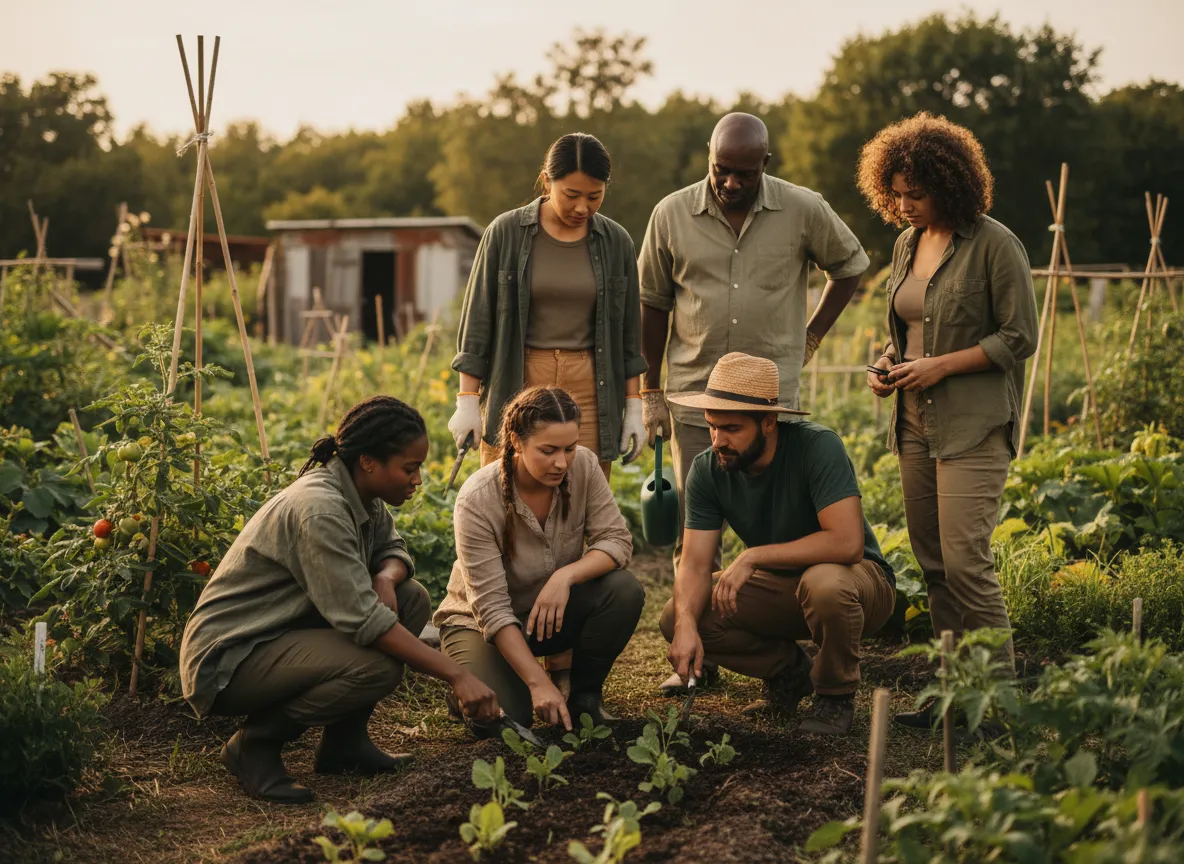
FLS is made up of organizers, technologists, builders, and culture-makers who got tired of waiting for institutions to catch up and started building the alternatives themselves.